Our Blog
Why Privacy and Low-Density Living Are Becoming Important in Premium Residential Developments
-
 By Atharvlifestyle
-
 November 23, 2026
-
 Blog
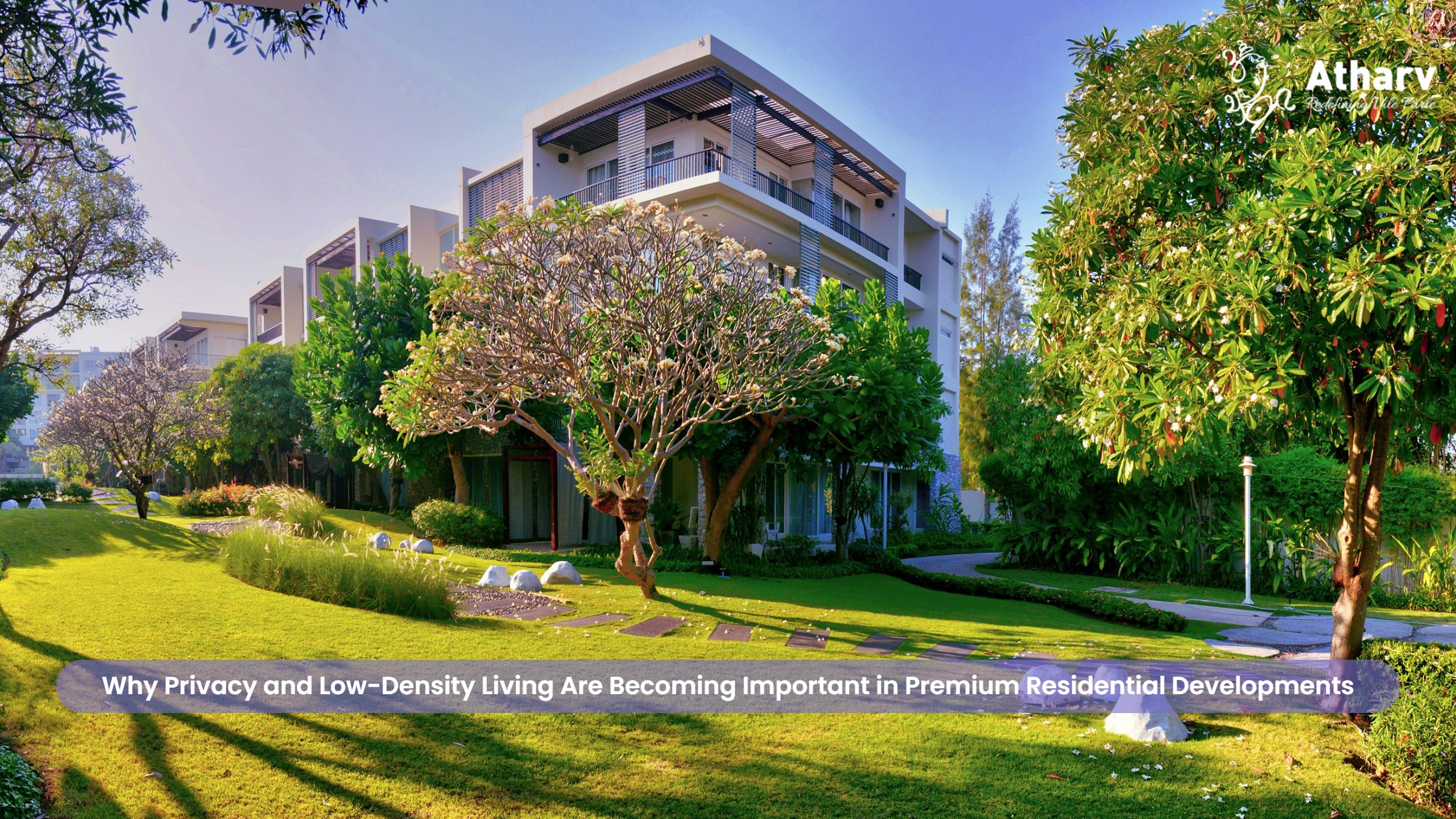
The definition of luxury living is evolving. While premium residences were traditionally associated with spacious apartments, elegant interiors and exclusive amenities, today’s homebuyers are increasingly looking beyond these conventional features. Privacy, personal space, peaceful surroundings and a less crowded residential environment are becoming equally important considerations when choosing a home.
In a city like Mumbai, where population density, traffic and fast-paced urban lifestyles are part of everyday life, having a home that offers a sense of privacy and personal comfort can make a significant difference. This has contributed to growing interest in low-density residential developments, where thoughtful planning and a better balance between private and shared spaces shape the overall living experience.
For homebuyers exploring premium residential developments in Mumbai, understanding the importance of privacy and low-density planning can help them make more informed decisions.
Let’s explore why these features are becoming important in modern residential developments and what buyers should look for when choosing their next home.
1. Changing Definition of Luxury: From Bigger Homes to Better Living
Luxury was once largely defined by the size of a residence, expensive materials, elaborate interiors and the number of amenities available within a project.
However, homebuyer preferences have gradually evolved. Today, many buyers are placing greater importance on how a home makes them feel and how comfortably it supports their everyday routines.
Features such as spacious layouts, natural ventilation, landscaped open spaces, fewer shared corridors and thoughtfully planned common areas are becoming important considerations.
For premium homebuyers, luxury increasingly means having enough personal space, enjoying a peaceful environment and being able to spend time with family without unnecessary disturbances.
This shift is also influencing how residential developments are designed. Instead of focusing only on the number of amenities or the overall scale of a project, developers are paying greater attention to planning, space utilisation and the quality of the residential experience.
2. What Is Low-Density Living and Why Does It Matter?
Low-density living refers to a residential planning approach that focuses on creating a less crowded living environment by carefully managing the number of residences, building layouts, shared spaces and overall project design.
Rather than concentrating on maximising the number of apartments within a development, low-density planning places greater emphasis on how residents experience their surroundings.
Some important characteristics of low-density residential developments include:
- Fewer Residences per Floor: A limited number of apartments on each floor can help reduce corridor movement and create a more private residential environment.
- Thoughtful Space Planning: Well-designed layouts allow residents to enjoy functional living spaces without compromising comfort.
- More Open Spaces: Landscaped areas, open spaces and recreational zones provide opportunities for residents to relax and spend time outdoors.
- Better Common-Area Management: Carefully planned entrances, lifts and shared facilities can improve the overall residential experience.
- Greater Sense of Exclusivity: A more controlled residential environment can create a stronger sense of personal space and community.
For buyers exploring low-density apartments in Mumbai, understanding these aspects is important because the overall experience depends on more than the total number of apartments in a project.
3. Privacy as an Essential Part of Modern Residential Living
Privacy is no longer viewed as an additional luxury feature. It has become an important consideration for homebuyers who want their residences to offer a comfortable separation between personal and shared spaces.
In high-density urban environments, residents often share lifts, corridors, entrances and recreational facilities with a large number of households. Depending on the building’s design and occupancy, this can sometimes affect the sense of personal space.
Premium residential developments are increasingly addressing this through thoughtful architectural planning.
Here are some ways privacy can be improved within a residential project:
- Limited Residences Per Floor: Having fewer apartments on each floor can reduce shared corridor activity and offer residents a greater sense of exclusivity.
- Private and Well-Planned Entrances: A thoughtfully designed entrance lobby and access arrangement can improve the transition between shared areas and private residences.
- Well-Positioned Apartments: Apartment orientation, window placement and distance between neighbouring buildings can influence visual privacy and natural light.
- Controlled Access and Security: Modern security systems, visitor management and controlled entry points help create a more secure residential environment.
- Functional Apartment Layouts: Well-designed room arrangements can provide better separation between living, dining and private bedroom spaces.
When evaluating premium homes, buyers should look beyond the interiors and understand how the entire building has been planned to support privacy.
4. The Importance of Open Spaces in Urban Residential Developments
One of the biggest challenges of urban living is the limited availability of open spaces. As cities become increasingly developed, access to greenery and outdoor recreational areas can significantly influence the quality of everyday life.
This is why premium residential developments are placing greater emphasis on landscaped gardens, open areas, walking spaces and outdoor amenities.
Open spaces offer several lifestyle advantages:
- Provide residents with areas to relax and unwind.
- Create opportunities for outdoor activities and recreation.
- Offer children dedicated areas for play.
- Encourage walking and other everyday wellness activities.
- Improve the overall visual experience of the residential environment.
For families, open spaces also create opportunities to spend quality time together without having to travel outside the residential community.
However, the presence of open spaces alone is not enough. Their accessibility, planning, maintenance and relationship with residential buildings are equally important.
A thoughtfully planned residential development should create a balance between built-up areas and usable open spaces.
5. Why Families and Working Professionals Prefer More Private Homes
The way people use their homes has changed considerably over the years. Homes are no longer limited to providing a place to sleep and relax after work.
They now accommodate remote working, online meetings, family activities, personal wellness and entertainment.
As a result, the need for privacy and functional living spaces has become more important.
- For Working Professionals: Professionals working remotely or following hybrid work schedules often need quiet spaces for meetings, focused work and personal activities. A well-planned home with adequate room separation and natural light can support a more comfortable working environment.
- For Growing Families: Families with children may prefer residences that offer sufficient personal space while maintaining comfortable shared areas. Spacious layouts, functional bedrooms and access to recreational facilities can make everyday family life more convenient.
- For Senior Citizens: A peaceful residential environment, convenient access to lifts, thoughtfully designed common areas and dedicated recreational spaces can contribute to a more comfortable living experience for senior residents.
- For Frequent Travellers: Homebuyers who frequently travel for work may appreciate secure access systems, professionally managed common areas and a residential environment that offers comfort when they return.
These changing requirements are influencing the demand for thoughtfully planned premium residences.
6. What Should Homebuyers Look for in a Low-Density Residential Project?
Not every premium residential development necessarily offers low-density living. Homebuyers should evaluate specific design and planning features before making a decision.
Here are some important factors to consider:
- Number of Apartments Per Floor: Check how many residences share a floor, how the corridors are arranged and whether the layout offers adequate privacy.
- Number of Lifts and Building Access: Understand the lift-to-residence ratio, entrance arrangements and visitor access systems.
- Open Space Planning: Evaluate the availability of landscaped areas, outdoor recreational facilities and usable open spaces within the development.
- Apartment Orientation: Consider the positioning of windows, balconies and neighbouring buildings to understand natural light, ventilation and visual privacy.
- Amenities and Shared Facilities: Look for amenities that genuinely support everyday living, such as fitness spaces, walking areas, senior citizen zones and recreational facilities.
- Security and Access Management: Check the availability of security personnel, visitor management systems and controlled access arrangements.
- Developer’s Track Record: Review the developer’s previous projects, construction quality, delivery record and overall approach to residential planning.
A combination of these factors can help buyers identify a development that offers more than just premium specifications.
7. Atharv Lifestyle: Bringing Privacy and Thoughtful Planning to Premium Residential Living
For homebuyers exploring premium residential developments in Mumbai, Atharv Lifestyle offers projects that reflect the growing importance of thoughtfully planned spaces, privacy and comfortable urban living.
With a presence across established neighbourhoods such as Vile Parle and Shivaji Park, Atharv Lifestyle’s residential portfolio includes developments designed around different homebuyer requirements.
Two projects that are particularly relevant when discussing privacy and low-density living are Atharv Shivalaya and Atharv Brindavan.
Atharv Shivalaya: An Exclusive Residential Experience Beside Shivaji Park
Located beside Shivaji Park, Atharv Shivalaya is an ultra-luxury residential development designed for homebuyers who value exclusivity, spacious residences and privacy.
The project features an exclusive G+21 boutique tower with one residence per floor, creating a distinctive residential experience with a strong emphasis on personal space.
Some of its key highlights include:
- One residence per floor.
- Limited ultra-luxury residences.
- Spacious 3, 4 and 5 BHK configurations.
- Large carpet areas and premium layouts.
- Sea and Shivaji Park views.
- Double-height grand entrance and lobby.
- Dedicated tower parking.
- Fully equipped gymnasium.
The one-residence-per-floor concept is particularly relevant for buyers who prefer a greater degree of privacy and exclusivity within a premium residential building.
Its location beside Shivaji Park also offers the advantage of living in one of Mumbai’s established residential neighbourhoods.
For buyers exploring luxury apartments in Shivaji Park, Atharv Shivalaya presents a residential option where privacy and spacious living are important parts of the overall proposition.
Explore the project: Atharv Shivalaya beside Shivaji Park
Atharv Brindavan: Low-Density Living in Vile Parle East
Another residential development worth exploring is Atharv Brindavan in Vile Parle East.
Spread across approximately 1.34 acres, the project offers 2, 3 and 4 BHK residences, with 50% open space and more than 25 lifestyle amenities.
One of its notable features is the provision for low-density living in select wings, with premium 2 and 3 BHK residences designed to maximise space, natural light and cross-ventilation.
The development also features:
- Three iconic wings rising 56 floors.
- Seven podium levels and three basement levels.
- Double-height grand entrance lobby.
- Rooftop amenities across all wings.
- Landscaped and recreational spaces.
- Dedicated jogging track.
- Senior citizen area.
- Open-air amphitheatre.
The project’s planning combines residential spaces with recreational and lifestyle facilities, offering residents different ways to enjoy their everyday environment.
For homebuyers looking for premium homes in Vile Parle East, Atharv Brindavan is worth considering for its focus on open spaces, thoughtful layouts and low-density living in select wings.
Explore the project: Atharv Brindavan in Vile Parle East
8. Privacy, Location and Connectivity: Finding the Right Balance
While privacy and low-density planning are becoming important considerations, location remains one of the most significant factors when purchasing a premium home.
A residential development should ideally offer a comfortable living environment without compromising access to essential destinations.
Established neighbourhoods such as Vile Parle East and Shivaji Park offer different lifestyle advantages.
Vile Parle East provides access to Mumbai Airport, railway connectivity, educational institutions, healthcare facilities and important commercial destinations.
Shivaji Park, meanwhile, is known for its established residential character, access to recreational spaces and connectivity to key areas of central and western Mumbai.
For homebuyers, the ideal choice depends on their daily requirements, workplace, family needs and preferred neighbourhood.
A premium home should offer a combination of thoughtful residential planning, privacy, accessibility and everyday convenience.
9. The Future of Premium Residential Developments: Quality Over Quantity
As homebuyer expectations continue to evolve, the future of premium residential developments is likely to place greater emphasis on the overall quality of living.
Features such as larger balconies, fewer residences per floor, landscaped open spaces, wellness amenities and thoughtful building layouts are becoming important considerations.
The focus is gradually moving beyond the number of facilities offered within a project towards how effectively those facilities contribute to everyday comfort.
For developers, this means paying closer attention to residential density, building orientation, natural ventilation, common-area planning and the relationship between private and shared spaces.
For homebuyers, it creates an opportunity to evaluate properties more carefully and prioritise features that will remain relevant over the long term.
Privacy, space and thoughtful planning are not simply passing trends. They represent a broader shift in how people define comfort and luxury in modern urban homes.
Frequently Asked Questions
What is low-density living?
Low-density living is a residential planning approach that limits the number of homes within a development, so residents get fewer shared corridors, more open space and a stronger sense of privacy and personal space.
Why is privacy becoming important in premium residential developments?
Homes now support remote work, family time, wellness and entertainment. Fewer residences per floor, well-planned entrances, sensible apartment orientation and controlled access help residents enjoy their home without unnecessary disturbance.
How many residences per floor does Atharv Shivalaya have?
Atharv Shivalaya, beside Shivaji Park, is a G+21 boutique tower with one residence per floor, offering spacious 3, 4 and 5 BHK homes with sea and Shivaji Park views.
Does Atharv Brindavan offer low-density living?
Yes. Atharv Brindavan in Vile Parle East offers low-density living in select wings, with 2, 3 and 4 BHK residences across approximately 1.34 acres, 50% open space and more than 25 lifestyle amenities.
What should I check before buying a home in a low-density project?
Check the number of apartments per floor, the lift-to-residence ratio, open space planning, apartment orientation, security and access management, and the developer’s track record.
Conclusion
The growing importance of privacy and low-density living reflects a change in the expectations of premium homebuyers. In increasingly crowded cities like Mumbai, having a residence that offers personal space, a peaceful environment and thoughtfully planned surroundings can make everyday living more comfortable.
From fewer residences per floor and better apartment layouts to landscaped open spaces and dedicated lifestyle facilities, these features are influencing how modern premium residential developments are designed.
Projects such as Atharv Shivalaya, with its one-residence-per-floor concept, and Atharv Brindavan, with low-density living in select wings and 50% open space, demonstrate how different aspects of residential planning can address these evolving preferences.
Ultimately, luxury is not defined only by the size of a home or the number of amenities it offers. It is also about the privacy, comfort and quality of life that residents experience every day.
Looking for a home that offers more than just premium interiors? Explore Atharv Lifestyle’s residential developments and discover thoughtfully planned homes across Mumbai.